Inspiration

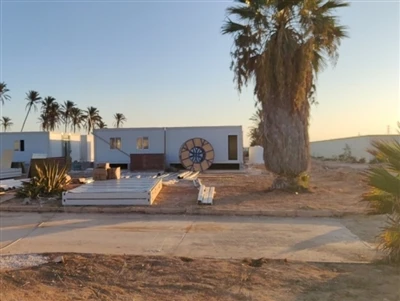
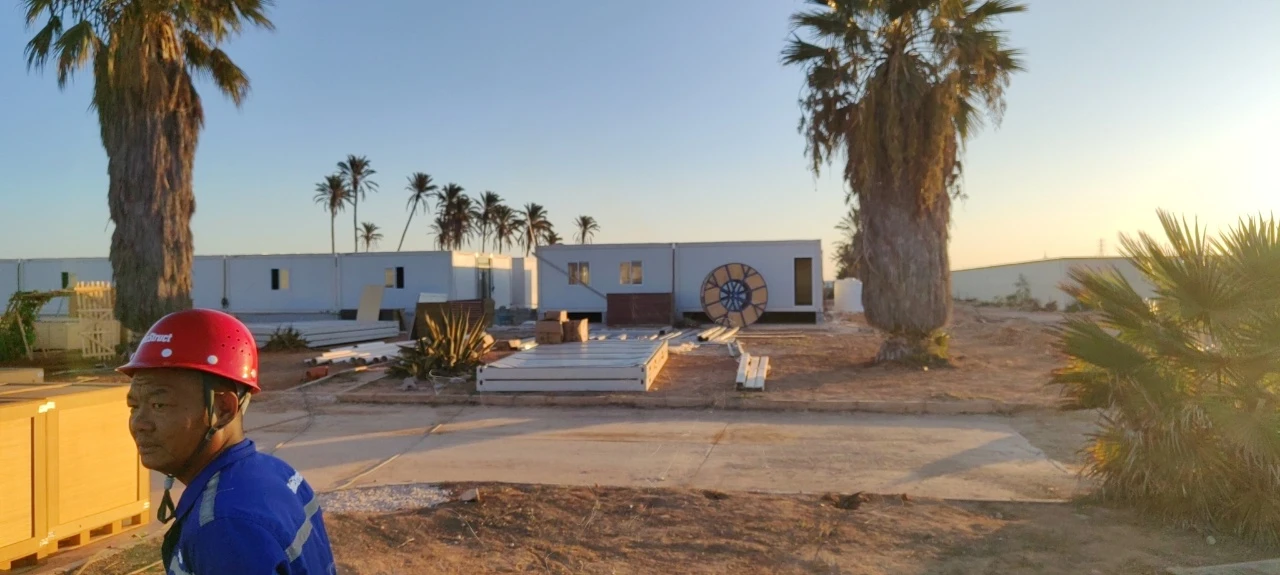
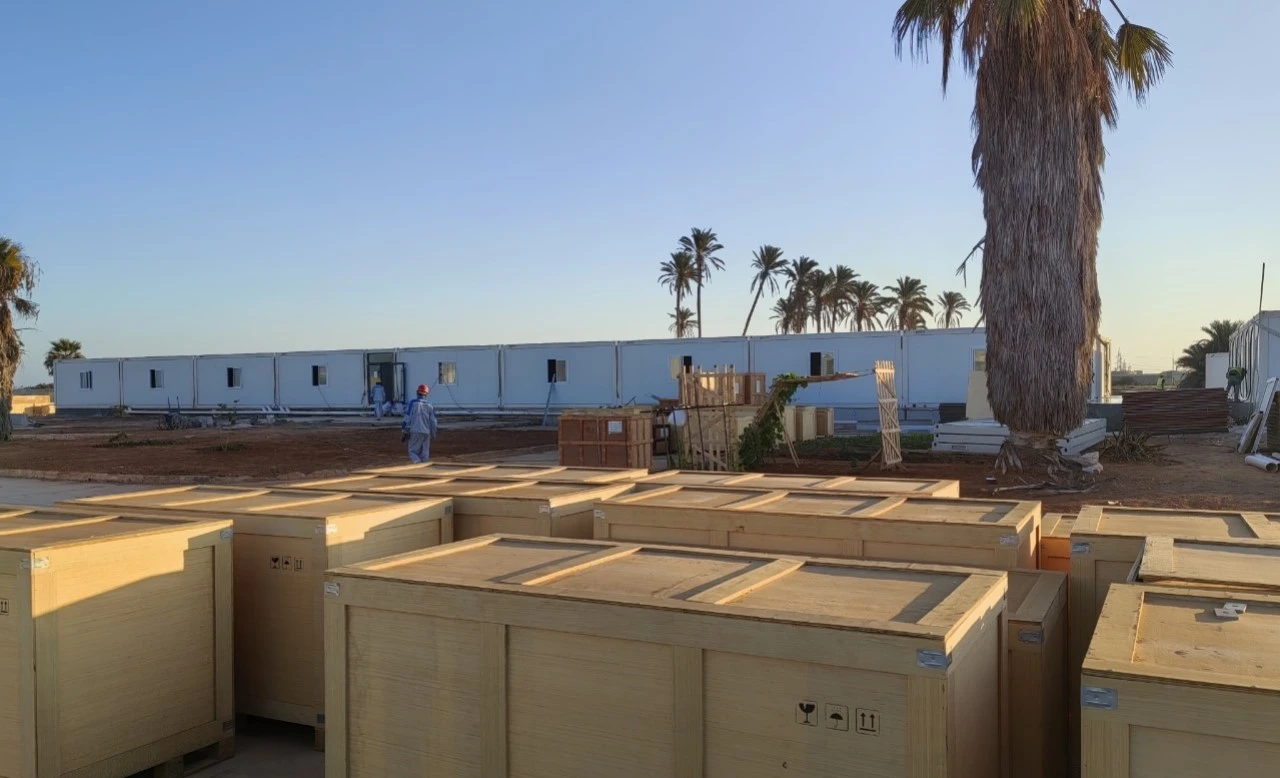
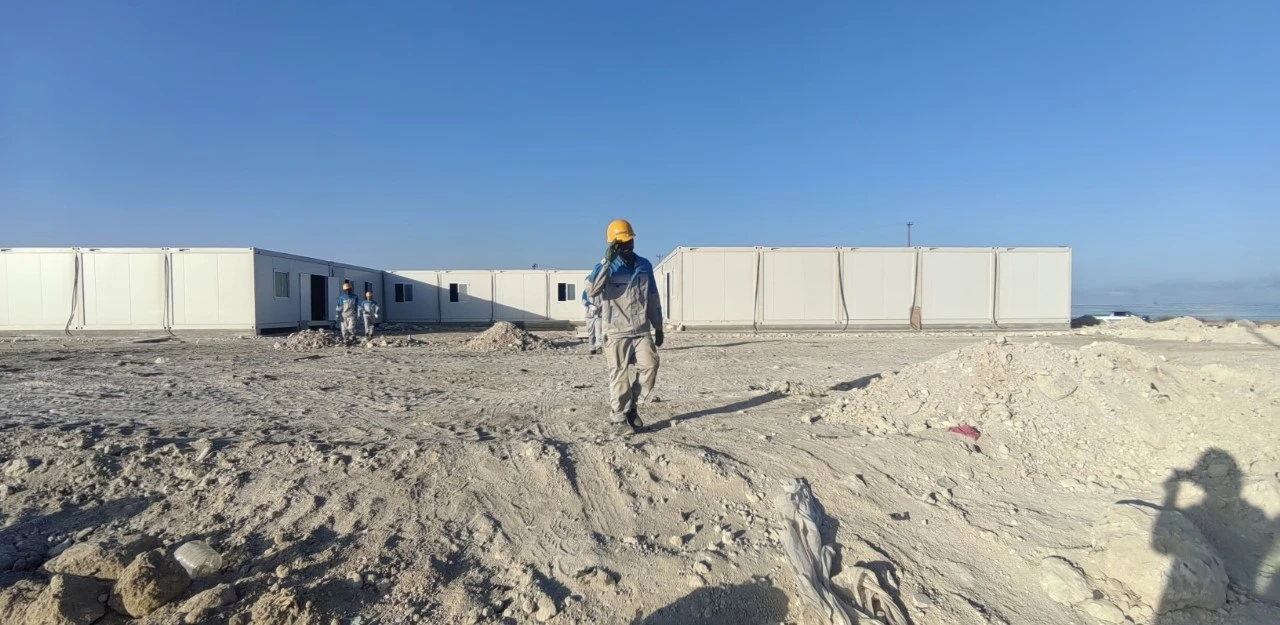
Un projet de camp de chantier à Benghazi, en Libye

When the Benghazi project started the engineering team had a problem. They had nowhere to work. The site was an open area near the city but it did not have any buildings that could be used as offices or places for workers to stay.

Everything the project team needed had to be created from scratch. They needed meeting space, desks, storage and sleeping areas. Building structures would have taken too long. The project schedule was already. The engineers needed a functional camp before the main construction work could really begin.

After talking about it the team decided to set up the site using container homes. This type of building is common on international construction projects. The main advantage is speed. Of building everything piece by piece on the site the structures can be produced in advance and delivered when they are ready.


That is exactly what happened in this case.


Preparing the Units

Most of the work happened long before anything arrived in Libya. At the factory the container homes were assembled step by step. The steel frame structure came first followed by wall panels and the roof system. The panels included insulation, which helps make the interior more comfortable during working days.

Doors and windows were installed at the factory well. Electrical wiring was prepared at the stage so that very little interior work would be required later. By the time the units were finished they already looked like standalone buildings.

This is one of the aspects of modular construction. Much of the work can be completed in a controlled environment rather than in the middle of a dusty construction site. The container homes are a type of construction that is very useful.

The Long Trip to Libya

Once production was finished the next step was transportation. Moving buildings across continents is not unusual anymore but it still requires careful planning. The units were prepared for container home shipping and sent to the port before being loaded onto a cargo vessel.

From there they travelled across the sea toward Libya. After arriving at the port the container homes were transferred onto trucks. Delivered to the Benghazi construction site. For the engineers waiting on location that delivery marked the beginning of the camp setup.


First Day of Installation

Installation started immediately. The ground had already been prepared in advance so the structures could be placed without delay. A crane was brought in to lift each module and position it according to the layout plan.

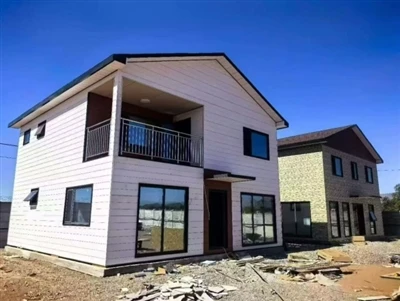
Watching the process was interesting. What had looked like units during shipping quickly started to resemble a small settlement once they were placed next to each other. The container homes were being used to create a village.

Within a time the outlines of the camp were already visible. Compared with construction the difference was obvious. Of weeks of building foundations and walls the main structures were already standing after only a short period of installation work. The container homes were a help.

Life Inside the Camp

Once the units were connected and basic utilities were installed the buildings began to serve their purpose. Some container homes were used as offices. Inside engineers set up their workstations, reviewed drawings and held planning meetings. These rooms became the center for the project.

Other units were used as accommodation for workers staying on site. These buildings are simple. They provide the essentials: a place to sleep protection from the weather and a bit of personal space after a long day of work. The container homes were being used as offices and homes.

For people working on construction projects that kind of environment is more important than it might seem. Even temporary structures can make life on a construction site much easier. The container homes were making life easier for the workers.


Built for Practical Use

Construction sites are not environments. Dust, wind and strong sunlight are challenges in regions like Benghazi. Temporary buildings must be able to handle these conditions while remaining safe and usable. The container homes are designed with this in mind.

The steel structure provides strength while insulated panels help maintain a stable indoor temperature. These features are especially helpful for workers who spend hours inside offices or living areas. The container homes are strong and safe.

In this project the modular units proved to be structures for everyday use. The container homes were working well.

Not for One Project

Another advantage of modular buildings is that they are not necessarily permanent. Once the Benghazi project is finished the container homes can be. Transported again if necessary. In that sense they also function as homes.

For construction companies operating in regions this flexibility is valuable. Of building a new camp for every project the same structures can be reused several times. The container homes can be used again and again.

Over the course of projects that can save both time and resources. The container homes are an investment.


Container Buildings in Settings

Although construction camps are one of the most common uses container homes have started appearing in other places as well. In years some architects and homeowners have experimented with containers at home. In those cases the steel structures are converted into houses, studios or vacation cabins.

The design approach is very different from a construction camp. The basic idea remains the same. The structure itself is simple and adaptable. The container homes are being used in different ways.

Portable homes built from container modules are also used in tourism areas, temporary housing projects and emergency shelters. What began as a solution for industrial and construction use has gradually expanded into other fields. The container homes are being used in different fields.


A Practical Solution

Looking back at the Benghazi project the decision to use container homes turned out to be the one. The camp was established quickly which allowed the engineering team to focus on their work rather than spending weeks building temporary facilities.

Office space, accommodation and daily working areas were all created using units that had been prepared long before they arrived on site. In ways this is the real advantage of modular construction. The container homes were a success.

Of slowing down the start of a project the buildings arrive ready to be used. For teams working in locations that kind of efficiency makes a noticeable difference. The container homes are a choice, for construction projects.

Laisser un commentaire

Votre adresse e-mail ne sera pas publiée. Les champs obligatoires sont indiqués avec *