Оформление

Жилищный проект с использованием сборных контейнерных домов в Чили

How a Simple Housing Problem Turned Into Two Small Villas
Sometimes the best projects start with a simple question.
A few years ago, ЦИНДАО ЗЕЛАНГ landed a long-term project in Chile. Nothing unusual there—Chinese companies work all over the world. But this one came with a different kind of challenge.
One of their project leaders would need to stay in Chile for several years. Not months. Years.
If you've ever worked on construction sites, you know how temporary housing usually works. Workers get basic dormitory units. Offices thrown up quickly just to get through the day. It works fine for short rotations. But asking someone to live like that for years? That's a different conversation.
So ЦИНДАО ЗЕЛАНГ started thinking differently. Instead of the usual container room, they asked: could we build something closer to a real house?
That question led to a few conversations, and eventually to the idea of using detachable container houses.

Why Detachable Made Sense for Chile

There are plenty of ways to build modular housing overseas. But detachable container houses have one thing going for them that matters a lot when you're shipping across oceans: they travel well.
Because everything breaks down into components, packing becomes straightforward. No awkward oversized boxes. No wasted space in containers. Just efficient loading and shipping.
For this Chile project, that mattered.
The houses would be built in China, shipped across the Pacific, then trucked to the construction site. Every step of that journey is easier when the building fits neatly into standard containers.
There was another angle too. With detachable modules, you can combine them to create bigger spaces. That meant moving beyond the standard rectangular container box and actually designing something that felt like home.
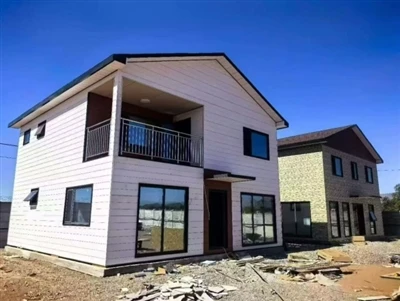
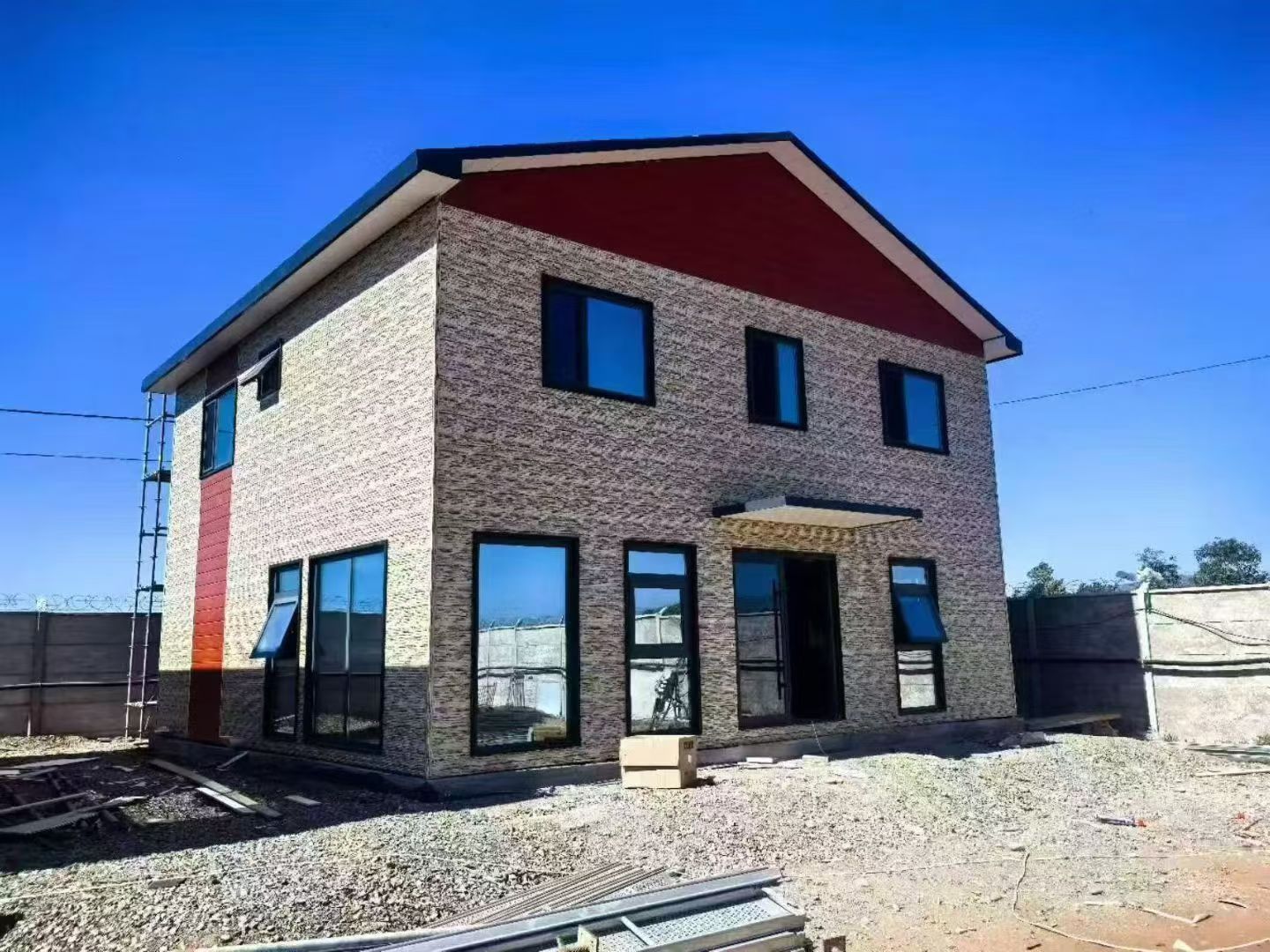
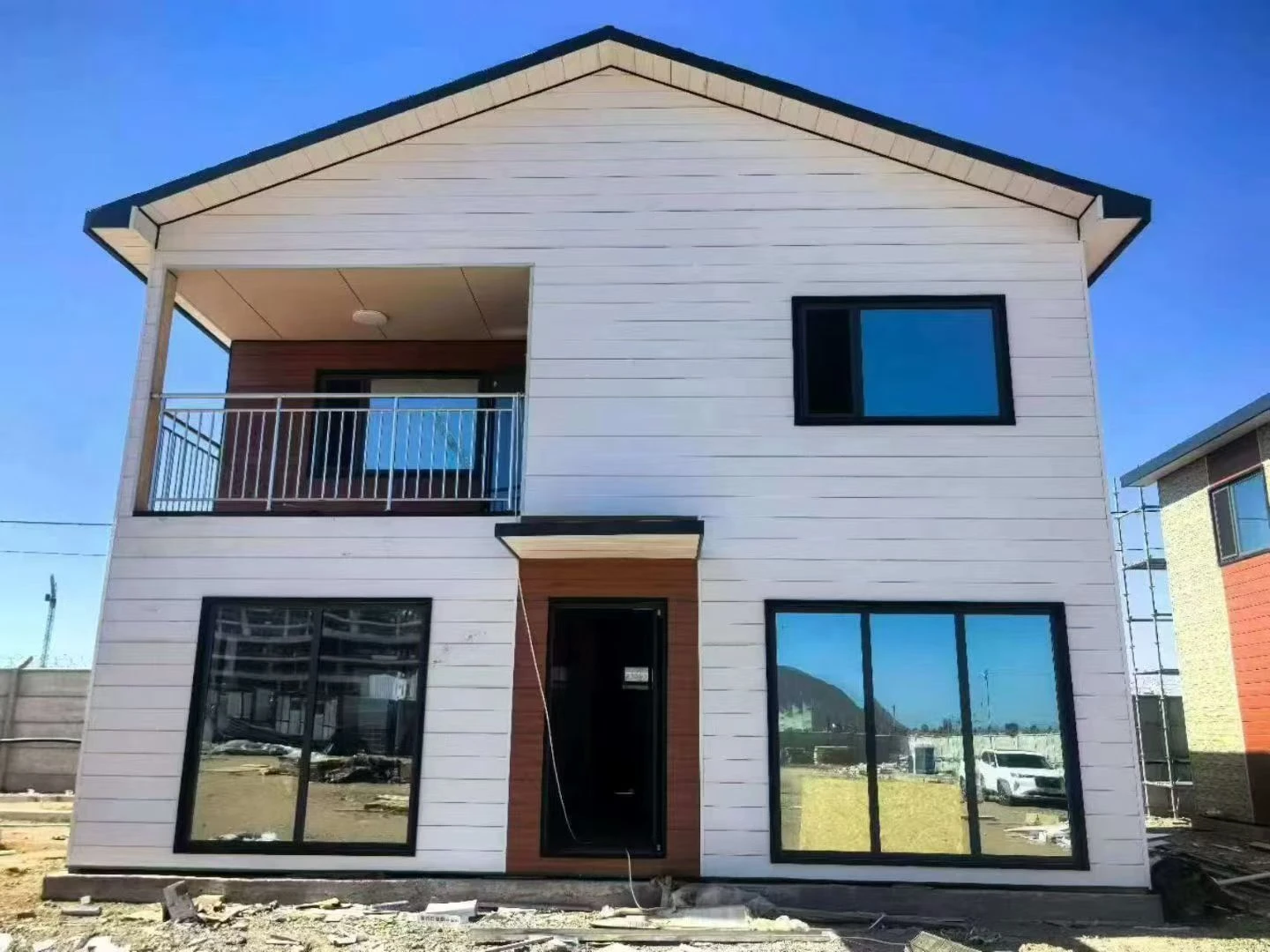
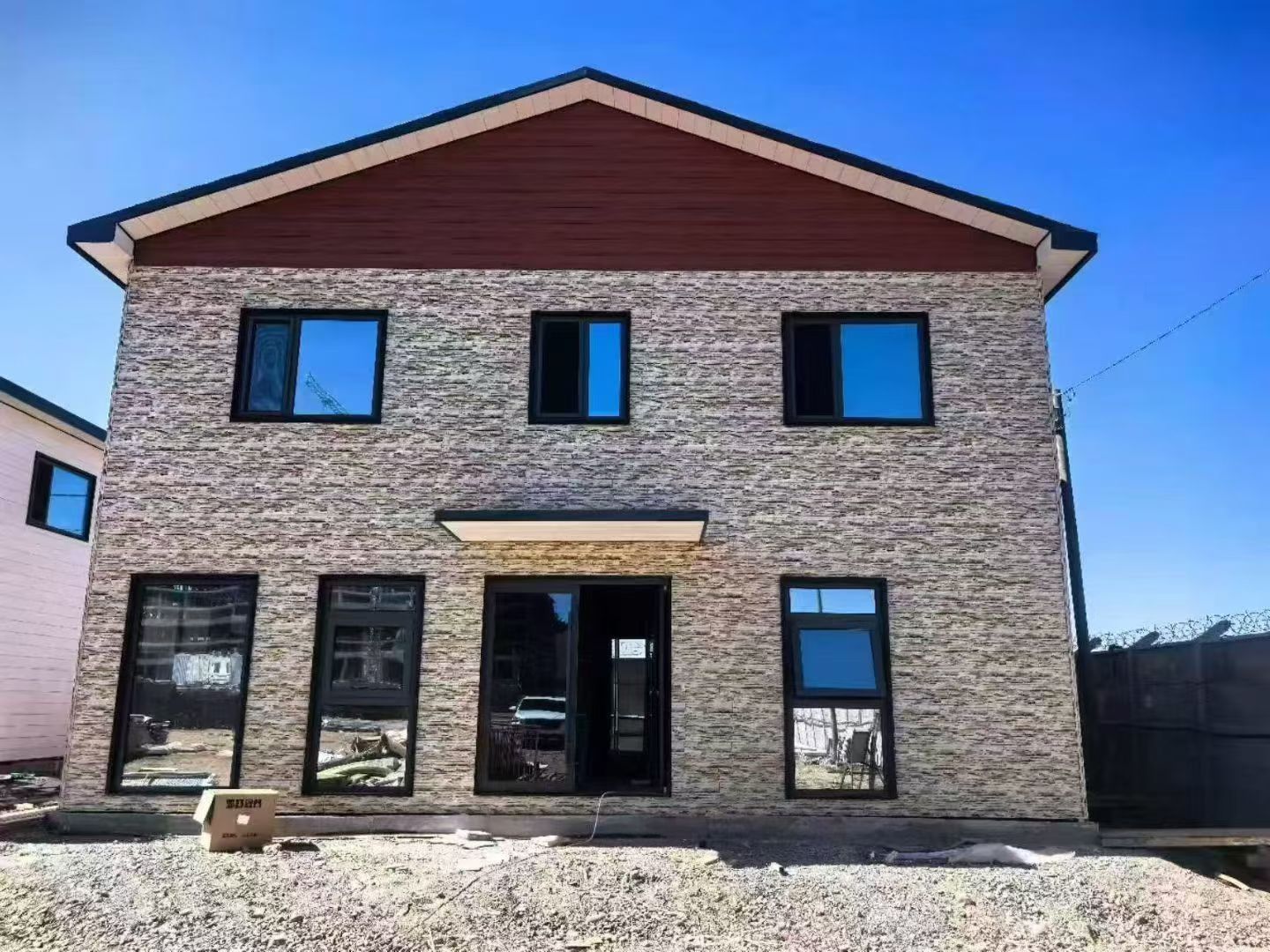
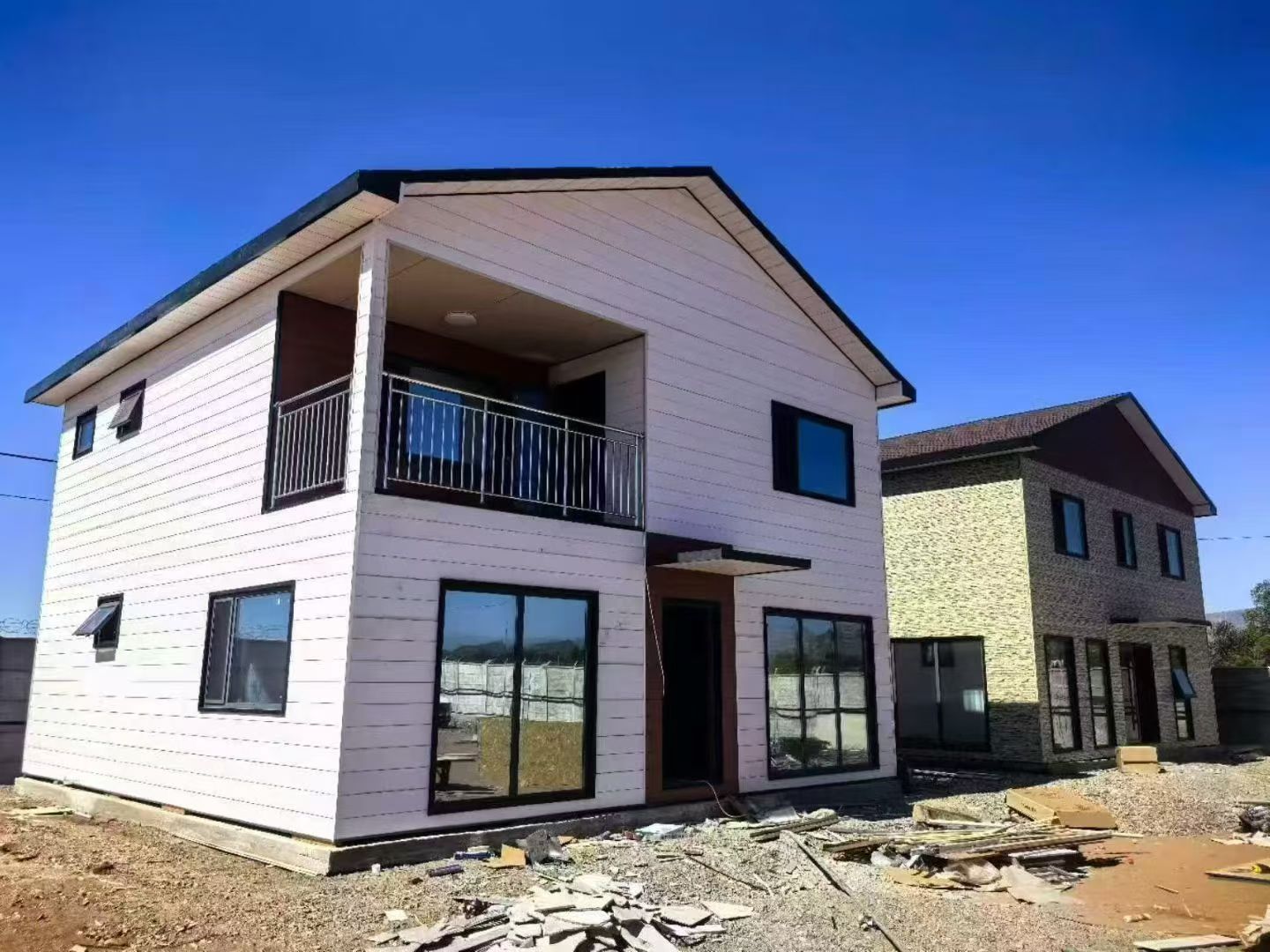
In the end, the plan was simple: two small villas made from detachable container house modules.

What They Actually Built

The villas weren't meant to be fancy. Just comfortable enough for someone to live in for a few years.

Each one has:

  • A living room area
  • One bedroom
  • A small kitchen
  • A bathroom

Nothing massive. But the layout makes it feel like an actual house, not a temporary shelter.

One thing they focused on was windows. Big ones. When you're living in modular buildings for years, natural light makes a huge difference. More than most people realize until they've spent time in spaces without it.

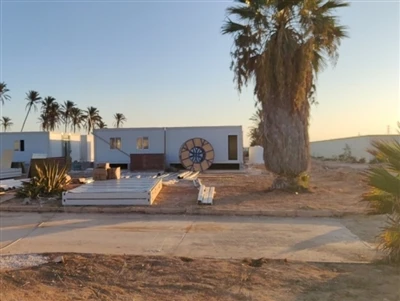
The two villas sit near each other with a bit of space in between. From a distance, they look like two small modern houses placed next to a construction site. Which is exactly what they are.

Building Them Back Home First

Once the design was locked in, production started at the factory.

First came the steel structure. Columns, beams, floor frames-everything that would hold the buildings together. All manufactured to fit together later on site.

Then the wall panels and roof panels. These came with insulation built in, which helps keep the indoor temperature comfortable year-round. Important when you're going from factory assembly to a site in South America.

Doors and windows went in at the factory too. Same with the basic electrical wiring. The more you can finish before shipping, the less work later.

Because these were detachable houses, nothing shipped as a complete unit. Everything got packed separately, organized, and loaded into containers.

The Long Trip to Chile

When production finished, the materials headed to the port.

Shipping modular buildings from China to South America takes time. Weeks on the water, crossing the Pacific, before finally reaching a Chilean port. Nothing unusual in the industry these days.

From the port, trucks carried everything to the construction site.

For the team on the ground, that arrival meant work could finally start.

Putting It All Together

Assembly began with the base frames.

Workers installed the floor structure first. Then added vertical columns to build up the steel frame. Once that was secure, wall panels went up, and finally the roof.

Piece by piece, the buildings took shape.

Compared to traditional construction, it moved fast. No waiting for concrete to cure. No building walls layer by layer. Once the modules started going together, the structure appeared almost immediately.

Добавить комментарий

Ваш адрес email не будет опубликован. Обязательные поля помечены *